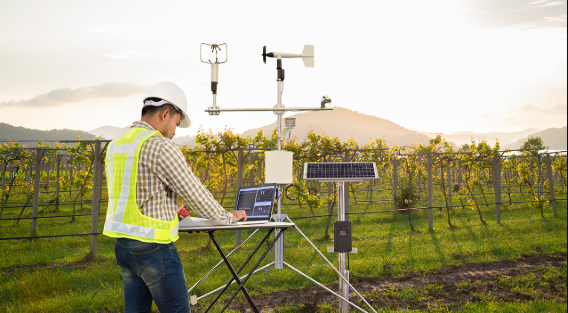
Environmental monitoring technologies are essential tools for assessing ecosystem health. They encompass various sensors that measure key environmental parameters and leverage remote sensing techniques for broader data collection. These advancements facilitate effective data analysis and visualization, which are crucial for informed decision-making. Understanding these technologies can illuminate their significant impact on conservation efforts. However, the implications of their applications extend beyond mere observation, raising questions about their role in shaping future environmental policies.
The Role of Sensors in Environmental Monitoring
As environmental challenges intensify, the role of sensors in environmental monitoring becomes increasingly critical.
Various sensor types, including chemical, physical, and biological sensors, provide essential data for assessing environmental health.
Accurate sensor calibration is vital to ensure data reliability, allowing for informed decision-making in policy and conservation efforts.
This technological advancement empowers societies to address environmental issues with greater precision and efficacy.
Remote Sensing Technologies: A Bird’s Eye View
While traditional ground-based monitoring provides valuable insights, remote sensing technologies offer a comprehensive perspective on environmental conditions from above.
Satellite imagery captures expansive landscapes and monitors changes over time, while aerial surveys provide detailed, high-resolution data.
Together, these methods enable scientists to assess environmental health, track deforestation, and analyze urban development, ultimately informing policy decisions and fostering a deeper understanding of global ecological dynamics.
Data Analysis and Visualization in Environmental Science
Data analysis and visualization play a crucial role in environmental science, transforming complex datasets into accessible insights that drive decision-making.
Effective data interpretation relies on advanced visualization techniques, allowing researchers to identify patterns and trends.
See also: Energy Storage Technologies for Sustainability
Real-World Applications of Environmental Monitoring Technologies
Environmental monitoring technologies have been increasingly applied across various sectors to address pressing ecological challenges.
These technologies facilitate the assessment of air quality, allowing for timely interventions in pollution management. Additionally, they enhance water quality monitoring, ensuring safe drinking supplies and ecosystem health.
Such applications support informed decision-making, fostering environmental stewardship and empowering communities to advocate for cleaner, healthier environments.
Conclusion
As the world grapples with escalating environmental challenges, the integration of advanced monitoring technologies stands at a critical juncture. The capabilities of sensors and remote sensing promise unprecedented insights into ecosystem health, yet the question remains: will these tools be harnessed effectively to drive meaningful change? The potential for informed decision-making and community engagement is immense, but the urgency of action looms large. Only time will reveal whether society can capitalize on these innovations to safeguard our planet’s future.