Energy storage technologies are critical for enhancing sustainability in energy systems. They enable the integration of renewable sources while mitigating supply fluctuations. Various solutions exist, each with distinct advantages and limitations. Understanding these technologies is essential for advancing clean energy initiatives. Their role in fostering energy independence and environmental stewardship raises important questions about future developments and implementation strategies. Exploring these aspects reveals the complexities and potential of energy storage in achieving a sustainable future.
Understanding Energy Storage Technologies and Their Importance
Although energy storage technologies have existed for decades, their significance has escalated in the context of renewable energy integration and grid stability.
Enhanced battery efficiency plays a critical role in mitigating fluctuations inherent in renewable sources. By providing reliable energy supply and enabling demand response strategies, these technologies contribute to a resilient grid, empowering consumers with greater control over their energy usage and enhancing overall system reliability.
Comparing Different Energy Storage Solutions: Pros and Cons
What factors should be considered when comparing different energy storage solutions? Key aspects include efficiency, scalability, lifespan, and environmental impact.
Battery technologies offer high energy density but can be costly and resource-intensive.
In contrast, pumped hydro provides large-scale storage with lower operational costs, yet it requires significant geographical constraints and infrastructure.
Evaluating these pros and cons is essential for informed decision-making.
See also: Energy Storage Systems and Battery Technology
The Role of Energy Storage in Renewable Energy Integration
As the global transition towards renewable energy sources accelerates, the integration of energy storage systems becomes increasingly critical for maintaining grid stability and reliability.
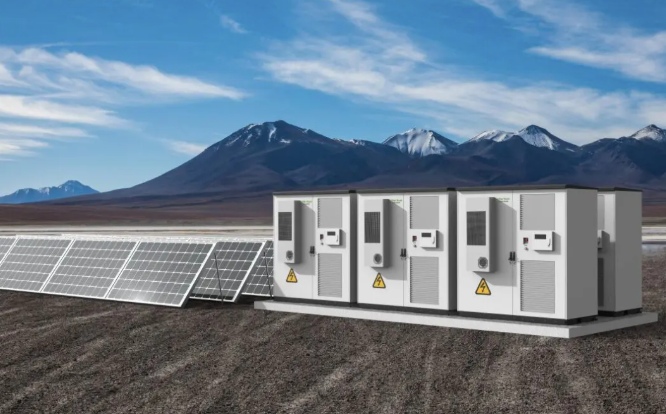
These systems enable the effective management of intermittent generation, enhancing renewable reliability. By storing excess energy during peak production and releasing it during demand surges, energy storage facilitates a balanced grid, ensuring a sustainable and resilient energy future.
Future Trends in Energy Storage for a Sustainable World
With the increasing demand for clean energy solutions, advancements in energy storage technologies are poised to play a pivotal role in shaping a sustainable future.
Future trends indicate a shift towards advanced lithium systems, enhancing grid scalability and efficiency.
These innovations will facilitate the integration of renewable energy sources, ultimately fostering a resilient energy infrastructure that empowers individuals and communities towards energy independence and sustainability.
Conclusion
In conclusion, energy storage technologies are essential for achieving sustainability by enhancing grid stability and facilitating the integration of renewable resources. For example, Tesla’s deployment of commercial-scale lithium-ion battery systems in California has demonstrated significant potential in mitigating peak demand challenges and optimizing solar energy utilization. As innovations continue to emerge, the evolution of energy storage will play a crucial role in shaping a resilient, low-carbon energy future, empowering communities to achieve greater energy independence and environmental sustainability.